
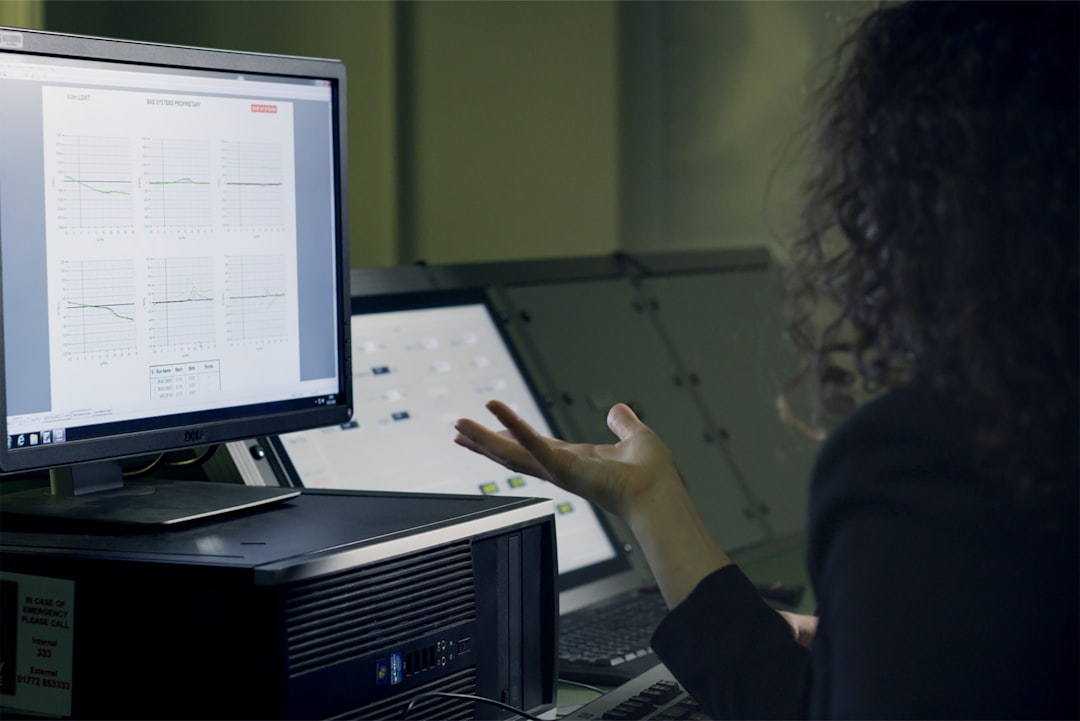
Cyber threats do not arrive on a schedule, and they rarely wait for a fully staffed office. That is why many businesses discover that their greatest security weakness is not a missing product or policy, but a lack of constant operational oversight. 24×7 SOC Monitoring changes that reality by moving security from periodic review to continuous vigilance. It gives organizations a structured way to detect suspicious activity early, investigate it with context, and respond before disruption spreads. For leadership, the result is more than technical protection. It is greater control, better resilience, and stronger confidence in how the business can withstand pressure.
Why 24×7 SOC Monitoring changes the security equation
Most organizations collect more security data than they can realistically review. Alerts come in from endpoints, cloud services, firewalls, identity platforms, email systems, and third-party applications. Yet the real challenge is not collecting information. It is determining which signals matter, which demand immediate action, and which can be safely deprioritized. Without that discipline, security teams become trapped between blind spots and alert fatigue.
24×7 SOC Monitoring addresses this by placing continuous analysis at the center of security operations. A security operations center does not simply watch dashboards. It validates alerts, connects related events, investigates suspicious patterns, and escalates incidents according to defined severity and business impact. That matters because many attacks begin quietly. A compromised account, an unusual login pattern, a suspicious script, or signs of lateral movement can appear harmless in isolation. When those indicators are reviewed in context and in real time, they become actionable warnings rather than overlooked clues.
The difference is especially important outside normal working hours. Nights, weekends, holidays, and regional handoffs often create dangerous gaps in coverage. Continuous monitoring narrows those gaps and reduces the time between detection and response. In practical terms, that can mean faster containment, clearer decision-making, and less operational damage when an incident unfolds.
What effective 24×7 SOC Monitoring looks like in practice
Not every monitoring model delivers the same value. Effective 24×7 SOC Monitoring is more than after-hours alert watching. It depends on tuned detections, experienced analysts, documented workflows, and clear escalation paths tied to business risk. The goal is not to generate more notifications. The goal is to produce better judgments, faster action, and more reliable communication when something serious happens.
When companies evaluate providers for 24×7 SOC Monitoring, they should look beyond alert volume and ask how incidents are validated, enriched, and escalated. A mature approach should reduce uncertainty for internal teams, not add to it. That means analysts who can interpret signals, separate noise from genuine risk, and communicate findings in a way decision-makers can use.
- Continuous event analysis across endpoints, identity systems, network activity, cloud environments, and critical business applications.
- Threat triage and prioritization so high-risk issues rise quickly while low-value noise is filtered out.
- Incident investigation with context that explains what happened, what is affected, and what should happen next.
- Defined escalation procedures that make after-hours response faster and more consistent.
- Evidence preservation and reporting to support compliance, post-incident review, and executive visibility.
These elements are what turn monitoring into a business function rather than a technical background task. Speed matters, but speed without accuracy creates confusion. The best security operations center models are built to deliver both.
The wider business value beyond threat detection
It is easy to think of SOC monitoring as a purely technical safeguard, but its business value runs much deeper. Around-the-clock oversight protects operations, strengthens governance, and improves communication across departments. Finance teams benefit because prolonged security incidents often create indirect costs through downtime, delays, remediation effort, and external obligations. Compliance and legal stakeholders benefit because evidence is gathered more systematically and incident handling is documented with greater precision. Executive leadership benefits because there is a clearer line of sight into active risk and response readiness.
This is also where 24×7 SOC Monitoring supports business continuity. A company can have strong policies on paper and still struggle in a live event if no one is available to interpret what is happening and direct the response. Continuous monitoring helps close that gap by creating a disciplined process for detection, investigation, and escalation. For businesses navigating change, including teams such as Redirecting…, that consistency can be especially valuable. Growth, cloud adoption, remote work, new vendors, and evolving regulatory demands all increase exposure. Constant oversight helps keep security aligned while the rest of the organization moves quickly.
| Approach | Typical operating reality | Business effect |
|---|---|---|
| Reactive monitoring | Alerts are reviewed intermittently, often after a delay and without full context | Longer exposure, slower containment, and more operational uncertainty |
| Business-hours coverage only | Strong daytime oversight but reduced visibility nights and weekends | Higher risk during off-hours and inconsistent response quality |
| 24×7 SOC Monitoring | Events are continuously reviewed, triaged, and escalated using defined workflows | Faster detection, clearer accountability, and stronger resilience |
How to choose and implement the right model
The strongest monitoring strategy begins with clarity about business priorities. A manufacturer, a professional services firm, and an online retailer may all need continuous oversight, but their critical systems, escalation thresholds, and operational risks will differ. Before implementation, organizations should identify which assets matter most, which incidents require immediate action, and who owns decision-making when an alert becomes a confirmed event.
- Map critical assets and business processes. Know which systems, identities, and data flows must be protected first.
- Define escalation criteria. Establish what counts as urgent, who is contacted, and what response actions are approved after hours.
- Review data sources. Monitoring is only as effective as the visibility behind it, so log coverage and telemetry quality matter.
- Align security with operations. Response procedures should fit real business workflows, not idealized diagrams.
- Test regularly. Simulated incidents, tabletop exercises, and post-incident reviews reveal gaps before they become costly failures.
It is also wise to evaluate the human side of the model. Businesses should ask whether analysts understand their environment, whether communications are timely and clear, and whether reporting helps leaders make decisions. A technically sophisticated service can still fall short if escalation is unclear or if incidents reach the wrong people at the wrong time.
A useful checklist during selection includes the following:
- Is continuous coverage truly maintained across all hours and handoffs?
- Are high-priority incidents investigated before they are escalated?
- Can the team explain business impact, not just technical indicators?
- Are playbooks customized to the organization rather than generic?
- Will leadership receive reporting that supports governance and planning?
Conclusion
24×7 SOC Monitoring is not simply a security enhancement. It is an operational decision about how seriously a business takes resilience. In a threat environment where attacks can emerge quietly and escalate quickly, intermittent oversight is rarely enough. Continuous monitoring gives organizations a better chance to detect issues early, respond with discipline, and protect the continuity of the business when it matters most. For companies that want stronger security without relying on luck or limited office-hour visibility, 24×7 SOC Monitoring can be a transformative step toward a more prepared, more confident, and more durable organization.
For more information on 24×7 SOC Monitoring contact us anytime:
Secured Monk
https://www.securedmonk.com/
Bhavnagar, India
Secured Monk is a cybersecurity firm specializing in proactive threat detection, vulnerability management, and exploit prevention across cloud, system, and memory environments. They offer advanced protection against phishing, business email compromise (BEC), and zero-day vulnerabilities. With a focus on real-time monitoring, bug hunting, and tailored security solutions, Secured Monk empowers organizations to stay ahead of evolving cyber threats.
